

Sustainability · 2025
In this section47 topics
- Sustainability Policy3 items
- Sustainability Goals & UN SDGs3 items
- Policy Review3 items
- Business Value Chain1 item
- Stakeholder Analysis2 items
- Environmental Policy & Guidelines5 items
- Environmental Policy Review3 items
- Energy — Plan & Guidelines2 items
- Energy — Electricity Consumption1 item
- Energy — Fuel Consumption2 items
- Energy — Targets2 items
- Energy — Performance & Outcomes2 items
- Water — Plan & Guidelines2 items
- Water — Withdrawal, Discharge & Consumption1 item
- Water — Targets1 item
- Water — Performance & Outcomes1 item
- Waste — Plan & Guidelines2 items
- Waste — Generation, Disposal & Recycling1 item
- Waste — Targets1 item
- Waste — Performance & Outcomes1 item
- GHG — Plan & Guidelines2 items
- GHG — Emissions1 item
- GHG — Emissions Verification1 item
- GHG — Principles & Standards1 item
- GHG — Targets1 item
- GHG — Performance & Outcomes2 items
- Environmental Legal Incidents1 item
- Social Policy & Guidelines5 items
- Social Policy Review1 item
- Human Rights Due Diligence1 item
- Employees — Plan & Guidelines3 items
- Employees — Workforce1 item
- Employees — Remuneration & Provident Fund1 item
- Employees — Training & Development1 item
- Employees — Occupational Health & Safety1 item
- Employees — Labour Relations1 item
- Employees — Employee Representation2 items
- Employees — Targets1 item
- Employees — Performance & Outcomes1 item
- Customers — Plan & Guidelines3 items
- Customers — Satisfaction Results1 item
- Customers — Targets1 item
- Customers — Performance & Outcomes1 item
- Community & Social — Plan & Guidelines3 items
- Community & Social — Targets1 item
- Community & Social — Performance & Outcomes1 item
- Law Violation Incidents1 item
Sustainability Policy
Has a Sustainability Policy
Yes
Policy Description
The Lee Pattana Group is committed to conducting business with utmost integrity and adherence to the principles of good corporate governance. The Group upholds strong moral and ethical standards, ensuring compliance with all relevant regulations and laws. Transparency, honesty, integrity, and fairness are at the core of its operations, as the Group prioritizes the interests of all stakeholders and remain mindful of its impact on the environment, society, economy, and the Group's reputation, with an overarching goal towards sustained success and growth.
The Group has adopted sustainable development practices by defining clear organizational directions and goals, communicating its sustainability commitments to employees, and actively driving efforts to achieve its vision and mission. The Group follows the sustainability management and reporting guidelines (ESG) established by the Stock Exchange of Thailand, with a focus on four core principles: sustainability context, materiality assessment, data completeness, and stakeholder inclusiveness in the reporting process. The Group has established the following policies:
1. Environmental: The Group is committed to environmental management, focusing on promoting efforts to prevent and reduce the environmental impact of the Group's operations. This includes waste management, greenhouse gas management, and the efficient use of resources and energy.
2. Social: The Group adheres to universal human rights principles as well as those guaranteed by the Constitution of the Kingdom of Thailand. The Group prioritizes the dignity, rights, freedom, and equality of individuals, ensuring there is no discrimination based on gender, age, race, religion, skin color, or beliefs. It treats employees fairly, recognizing them as key drivers of value creation and business success. It fosters a culture of happiness to improve the quality of life for employees and emphasizes employee development through training to enhance skills, while offering equal opportunities for career growth and advancement. Additionally, the Group prioritizes safety, occupational health, and a healthy work environment for all employees and stakeholders.
3. Governance: The Group has established a robust, transparent, and efficient management system, grounded in business ethics, anti-corruption policies, and high standards for internal controls and audits. It emphasizes comprehensive risk management across all operations, with well-defined strategies to manage and continuously monitor risk management effectiveness. This approach seeks to create opportunities and minimize losses in business operations while ensuring fairness and compliance. The Group strictly adheres to legal requirements, trade competition laws, commercial agreements, and fosters innovation and the development of new technologies that meet customer needs, all while focusing on delivering quality and service excellence to ensure customer satisfaction.
Policy Document Link
https://www.leepattana.com/web/download/file/7334827a.pdf
Sustainability Goals & UN SDGs
Has Sustainability Goals
Yes
Goals Description
Long Term
1. Environmental
• Indicator 1 : Reduction in greenhouse gas emissions
Goal : Achieve a reduction in greenhouse gas emissions compared to the 2021 baseline
• Indicator 2 : Percentage of energy sourced from solar rooftop
Goal : Optimize the use of clean energy from solar rooftop systems in production
• Indicator 3 : Percentage of biomass energy used in production
Goal : Minimize fossil fuel consumption and maximize biomass energy efficiency in production
2. Social
• Indicator 1 : Employee training compliance
Goal : Ensure employees have the necessary skills to work effectively and efficiently
• Indicator 2 : Customer satisfaction levels
Goal : Maintain customer satisfaction at no less than 78%
3. Governance
• Indicator 1 : Products are of superior quality, safe, clean, and meet all relevant standards
Goal : No complaints regarding product quality
• Indicator 2 : Full compliance with laws and regulations applicable to operations
Goal : Strict adherence to all applicable laws and regulations, with ongoing monitoring of legal changes
Short Term
1. Environmental
• Indicator 1 : Environmental-related complaints
Goal : No environmental complaints
• Indicator 2 : Implementation of initiatives to lower greenhouse gas emissions
Goal : Accurate and timely reporting of greenhouse gas emissions
2. Social
• Indicator 1 : Lost time accidents
Goal : No lost time accidents
• Indicator 2 : Labor and human rights violations complaints
Goal : Zero complaints related to labor practices or human rights violations
3. Governance
• Indicator 1 : Corruption complaints
Goal : No allegations of corruption
• Indicator 2 : Quality management system complaints
Goal : No more than five complaints related to the quality management system per year
UN Sustainable Development Goals
| SDG Goal |
|---|
| Goal 3 Good Health and Well-being |
| Goal 5 Gender Equality |
| Goal 6 Clean Water and Sanitation |
| Goal 7 Affordable and Clean Energy |
| Goal 9 Industry, Innovation and Infrastructure |
| Goal 10 Reduce Inequalities |
| Goal 11 Sustainable Cities and Communities |
| Goal 12 Responsible Consumption and Production |
| Goal 13 Climate Action |
Policy Review
Policy Reviewed This Year
Yes
Policy Changed This Year
Yes
Review Details
ISO 9001 Quality Objectives and Targets
Targets | 2025 Performance | Remarks | |
| 100% | 100% | Target Achieved |
| ≥78.00% | 78.44% | Target Achieved |
| ≥71.93% | 76.43% | Target Achieved |
| ≥67.00% | 79.61% | Target Achieved |
| 0% | 0% | Target Achieved |
| ≤0.64% | 0.22% | Target Achieved |
| ≤0.50% | 0.22% | Target Achieved |
| ≤0.50% | 0.09% | Target Achieved |
In summary, in 2025, all ISO9001 quality objectives and targets were achieved.
ISO 14001 Environmental Management Objectives and Targets
Targets | 2025 Performance | Remarks | |
Environment-related complaints | 0 Time | 0 Time | Target Achieved |
In summary, in 2025, all ISO14001 environmental management objectives and targets were achieved.
ISO 50001 Environmental Management Objectives and Targets
Targets | 2025 Performance | Remarks | |
| ≤-1.20% | -5.59% | Target Achieved |
| ≤0.00% | -0.17% | Target Achieved |
| ≤0.00% | 0.26% | Target Not Achieved |
| ≤0.00% | -0.28% | Target Achieved |
| ≤-1.34% | -1.73% | Target Achieved |
| ≤-0.51% | 0.84% | Target Not Achieved |
In 2025, the Group successfully achieved 4 of the ISO 50001 quality objectives and targets, while falling short of meeting 2 objectives.
Business Value Chain
Value Chain Description
The Group is dedicated to managing the business value chain while respecting the rights of all stakeholders, both internal and external. The Group recognizes that stakeholders, including employees, customers, partners, competitors, government agencies, society, and local communities, must be treated fairly and their expectations appropriately addressed. The Group has established methods for sourcing, selecting, evaluating, and improving quality in collaboration with business partners, covering all stages from procurement, production, quality inspection, marketing and sales, to delivery and after-sales services. This approach ensures that the Group can grow and develop sustainably alongside all sectors. These efforts enable the Group to evolve and thrive sustainably alongside the community.
Stakeholder Analysis
Introduction
The Group has conducted a comprehensive analysis of the impacts of its business operations on individuals, communities, society, and the environment. This process emphasizes the selection of material aspects and stakeholder analysis within the business value chain in a systematic manner. The Group identifies and categorizes relevant stakeholders, evaluates the impacts in each area, and gathers information on issues, needs, and expectations from stakeholders. This data is then thoroughly analyzed to develop appropriate response strategies, which can be effectively integrated into the Group's operations. Furthermore, the Group places great importance on regularly reviewing and improving practices to effectively meet stakeholder needs and align with the Group's sustainable business goals.
Stakeholder Analysis
| Stakeholder Type | Stakeholders | Stakeholder Expectations | Response to Expectations | Communication Activities |
|---|---|---|---|---|
| External stakeholders | 2904 · Description: Investors or investment institutions · 2913 · Description: Shareholders | - Stable and profitable business performance and growth
- High returns
- Continuous businesses development
- Management in accordance with the principles of corporate governance
| - Enhancing operational and production efficiency
- Increasing market share and sales
- Risk management and business continuity management
- Compliance with legal regulations
| 2939 · Description: Press Release · 2941 · Description: Online Communication · 2944 · Description: Annual General Meeting (AGM) · 2945 · Description: Complaint Reception · 2949 · Other name: 56-1 One Report · Description: Others |
| External stakeholders | 2903 · Description: Dealers · 2923 · Description: Customers | - Products comply with quality standards and ensure safety
- Disclosing accurate and complete information about products and services without distortion of facts
- Maintaining customer confidentiality | - Continuously researching and developing products
- Ensuring quality control in production
- Adhering to business terms with honesty and fairness
- Listening to customer feedback and complaints
- Ensuring customer satisfaction | 2938 · Description: Visit · 2941 · Description: Online Communication · 2943 · Description: External Meeting · 2945 · Description: Complaint Reception · 2947 · Description: Satisfaction Survey |
| External stakeholders | 2899 · Description: Suppliers | - Transparent and fair procurement
- Timely payment for goods and services
- Strong relationships and collaboration | - Establishing transparent and fair procurement practices
- Regularly evaluating business partners
- Strictly adhering to commercial agreements and terms
- Protecting the confidentiality of partner information and not using it without consent
- Complying with anti-corruption policies, the prohibition of receiving gifts, and other relevant company policies | 2938 · Description: Visit · 2941 · Description: Online Communication · 2945 · Description: Complaint Reception · 2947 · Description: Satisfaction Survey |
| External stakeholders | 2898 · Description: Competitors | - Operating under the legal framework of good competition practices | - Abstaining from seeking competitors' confidential information through unethical or inappropriate methods
- Avoid any actions that could tarnish the reputation of competitors through any direct or indirect methods | 2943 · Description: External Meeting · 2945 · Description: Complaint Reception |
| Internal stakeholders | 2921 · Description: Employees | - Fair compensation and benefits
- Opportunities for career progression
- Respect for human rights, equality, and non-discrimination
- A safe working environment with good working conditions | - Establishing fair employment conditions and managing employment practices with equity and equal opportunities for all groups
- Continuously providing training to enhance knowledge, skills, and competencies
- Listening to feedback and addressing complaints
- Improving the working environment to comply with occupational health and safety standards | 2941 · Description: Online Communication · 2942 · Description: Internal Meeting · 2945 · Description: Complaint Reception · 2947 · Description: Satisfaction Survey · 2948 · Description: Training / Seminar |
| Internal stakeholders | 2897 · Description: Board of director | - Fair treatment for all stakeholders
- Manage transparently based
on good corporate governance
principles
- Achieving good performance and continuous growth
- Receiving accurate, complete, and timely operational information for decision-making.
- Appropriate and fair directors' remuneration. | - Engaging in the formulation of strategies and the oversight of corporate governance.
- Supporting and facilitating the Board's duties, particularly in areas of Good Corporate Governance and risk management.
- Preparing and submitting accurate, complete, and timely operational reports, financial data, and other significant information to facilitate effective consideration and decision-making by the Board.
- Establishing a clear, transparent, and fair directors' remuneration policy and structure, aligned with their duties and responsibilities, subject to approval by the shareholders' meeting.
- Encouraging and supporting the Board of Directors to attend training programs to continuously develop knowledge and skills relevant to the business operations. | 2942 · Description: Internal Meeting · 2945 · Description: Complaint Reception |
| External stakeholders | 2894 · Description: Creditor | - Timely and complete repayment of principal and interest.
- Strict compliance with financial covenants, terms, and conditions of loan agreements.
- Effective business operations, strong financial stability, healthy liquidity, and robust risk management.
- Accurate, complete, and transparent disclosure of financial performance and significant business information. | - Implement prudent financial and liquidity management to ensure timely repayment of principal and interest.
- Operate with transparency and financial discipline, strictly complying with all terms and conditions in the loan agreements.
- Prepare and submit accurate, complete, and timely financial reports and performance disclosures as required by laws and agreements. | 2941 · Description: Online Communication · 2945 · Description: Complaint Reception · 2949 · Other name: Direct Meetings · Description: Others · 2949 · Other name: Financial Reporting · Description: Others |
| Internal stakeholders | 2936 · Other name: Executives · Description: Others | - Clear business policies and strategic direction from the Board of Directors.
- Adequate support and resources to achieve business goals and targets.
- Appropriate remuneration and benefits aligned with the company's performance (KPIs).
- Appropriate management and decision-making authority within the designated framework. | - Collaboratively establishing clear corporate vision, mission, and goals.
- Allocating appropriate budget, personnel, and working tools.
- Implementing a fair performance evaluation system and determining remuneration based on performance.
- Providing clear delegation of authority. | 2949 · Other name: Executive Committee Meetings / Top Management Meetings · Description: Others · 2949 · Other name: Operational performance reporting to the Board of Directors · Description: Others · 2949 · Other name: Annual performance evaluation · Description: Others |
| External stakeholders | 2893 · Description: Farmers · 2911 · Description: Raw material distributors | - Fair purchasing prices aligned with market mechanisms and product quality.
- Transparency and fairness in the weighing and quality inspection processes.
- Accurate and timely payment for agricultural products.
- Receiving support or knowledge transfer to improve crop/yield quality. | - Establishing fair purchasing prices based on market rates with clear announcements.
- Utilizing standard weighing and quality inspection equipment calibrated according to legal requirements.
- Strictly adhering to payment terms and conditions.
- Promoting and providing agricultural technical advice to farmers for mutual growth. | 2938 · Description: Visit · 2941 · Description: Online Communication · 2945 · Description: Complaint Reception |
| External stakeholders | 2931 · Description: Government agencies and Regulators | - Strict compliance with laws, rules, regulations, and government policies.
- Accurate, complete, transparent, and timely reporting and information disclosure.
- Accurate and complete payment of taxes, duties, and fees.
- Conducting business with responsibility towards society and the environment (ESG), and actively participating in anti-corruption efforts. | - Regularly monitoring changes in laws and regulations to promptly update the company's operations.
- Preparing and submitting reports, financial data, and other essential information to relevant authorities (e.g., SEC, SET, Revenue Department) completely and on time.
- Implementing anti-corruption policies and strictly abstaining from accepting or offering any form of improper benefits.
- Controlling production processes to prevent negative impacts on the environment and community, and cooperating with government initiatives. | 2941 · Description: Online Communication · 2948 · Description: Training / Seminar · 2949 · Other name: Submission of statutory information, reports, and documents. · Description: Others · 2949 · Other name: Cooperation during official audits or site visits by government agencies. · Description: Others |
| External stakeholders | 2902 · Description: Community · 2928 · Description: Society | - Environmentally friendly business operations with no pollution to the community, creation of local employment opportunities, and participation in supporting the community's quality of life and economic development.
- Safety of life, property, and health from company operations, transparent information disclosure, and providing channels for the community to file grievances or offer suggestions. | - Strictly controlling and managing environmental impacts, implementing policies to promote local employment, and initiating Corporate Social Responsibility (CSR) projects that meet the genuine needs of the community.
- Operating strictly in accordance with international safety standards, establishing a community grievance mechanism, and regularly visiting community leaders to build good understanding and relationships. | 2938 · Description: Visit · 2940 · Description: Social Event · 2941 · Description: Online Communication · 2945 · Description: Complaint Reception · 2947 · Description: Satisfaction Survey |
Environmental Policy & Guidelines
Introduction
Lee Pattana Group who are producers, distributors, and providers of services and animal feeds are determined to deliver to customers, high quality products which are also environmentally friendly and during the production of which importance is placed on hygiene of the production facilities and safety for consumers.
In order to operate continuously quality management and environmental management, company would like to define Policy on Quality Management and Environmental Management Systems for operating guidelines as per the followings:
1. Production processes that meet the international standards and services that are constantly improved to ensure customer satisfaction
2. Source raw materials from all quality suppliers
3. Managed by a team that is knowledgeable and experienced
4. Products are manufactured in facilities with good hygiene and with customer safety in mind
5. Prevent and control pollutions; constantly maintain and improve the environment, and continuously conserve the energy and natural resources
6. Adhere to the laws and regulations related to quality management and environmental management systems
7. Disseminate knowledge and campaign in order to cultivate awareness of quality and environment, and be accountable to communities and society
Has an Environmental Policy
Yes
Policy Description
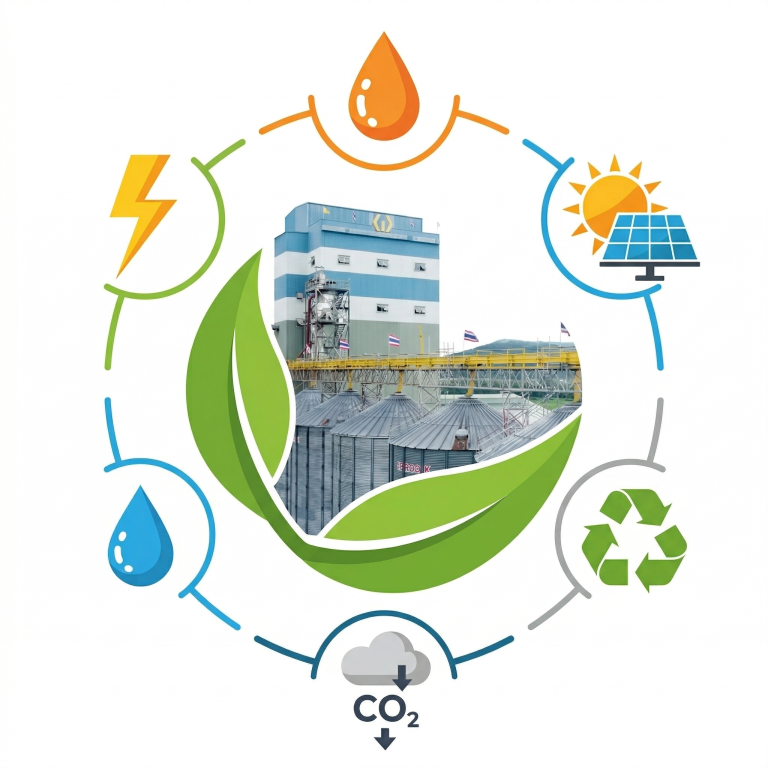
Lee Feed Mill Public Company Limited is committed to conducting business alongside environmental responsibility, which it regards as a core mission in driving sustainable growth across its entire supply chain. In 2025, the Company advanced its environmental management standards beyond regulatory compliance, positioning itself as a leader in eco-friendly manufacturing. It has placed strong emphasis on maximizing resource efficiency and delivering measurable reductions in environmental impact.
Clean and Renewable Energy Management To achieve its greenhouse gas reduction targets, the Company has made significant progress in implementing its Energy Transition strategy across production processes:
100% Biomass Thermal Energy for Steam Production: The Company has successfully transitioned to using 100% solid biomass fuel in steam-based manufacturing processes, fully replacing fossil fuels. This achievement not only substantially reduces carbon dioxide emissions but also promotes the utilization of domestically sourced renewable resources.
Expansion of Solar Rooftop Electricity Generation: The Company has expanded its solar power generation capacity through additional rooftop installations. As a result, more than 30% of total electricity consumption in its manufacturing operations now comes from solar energy. This milestone reflects the Company’s continued commitment to enhancing clean energy efficiency at the manufacturing plants.
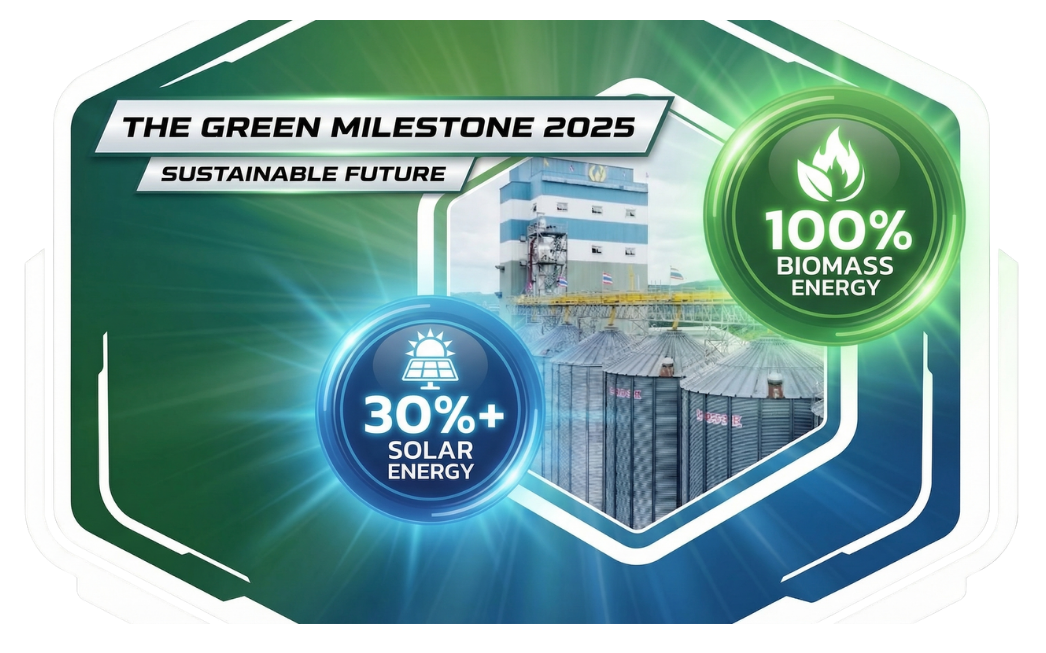
Production Innovation and International Quality Standards The Company places strong emphasis on integrating automation technologies into its manufacturing processes to enhance precision and minimize losses:
Real-time Monitoring System: The Company has developed a real-time quality monitoring system covering every stage of production. This system ensures highly accurate control of key parameters, resulting in consistent animal feed quality that fully meets customer requirements and international standards.
Manufacturing Precision: The implementation of automation significantly reduces the risk of human error and improves raw material management efficiency. It also minimizes production waste, forming part of the Company’s environmental management approach aligned with the circular economy concept.
Through this strong commitment, the Company not only delivers premium-quality products to the market but also upholds stringent environmental standards. This reinforces stakeholder confidence that the production processes of “Lee Feed Mill” are genuinely responsible toward society and the planet.
Energy Conservation Policy and Energy Management System
Due to the current conditions, the country is experiencing energy problems, which is an important factor and has a great impact on the lives of personnel within the organization as well as the domestic economy.
Lee Pattana Group has applied an energy management system within the Group. Energy management is essential, and it is the duty and responsibility of the personnel within the organization to work together in carrying out constant and sustainable energy management.
To achieve continuous energy management, the Group hereby formulates an energy management policy as a guideline for energy operations and to promote the most efficient use and optimization of resources and benefits as follows:
1. The Group shall operate and develop an appropriate energy management system, requiring energy conservation to be part of the Group's operations in accordance with relevant laws and regulations.
2. The Group shall constantly improve the efficiency of organizational resource utilization to suit the business, deployed technologies, and good practice guidelines.
3. The Group shall determine energy conservation plans and goals on an annual basis to reduce energy consumption and communication to ensure employees’ understanding and compliance.
4. The Group considers energy conservation the responsibility of the owners, management team, and employees at all levels, who need to engage in implementing specified measures, following up on, reviewing, and reporting performance to the Energy Management Working Group.
5. The Group shall provide necessary support, including information, resources in terms of personnel, budget, working hours, training and participation in the presentation of ideas to improve energy performance.
6. Executives and the Energy Management Working Group shall review and make updates on policies, goals, and plans on energy performance on an annual basis.
7. The Group shall regularly consider providing designs, procuring, producing, and providing equipment and services which are necessary to improve energy performance.
8. The Group shall monitor energy consumption and optimize the amount of energy use.
Guidelines for Oil and Fuel Management
The control guidelines for fuel consumption of automobiles, loaders, and forklifts, have been conducted through activities (OMOM), learning experiences, components, automotive work process, and maintenance, as well as fuel-saving measures; for example, turning off the engine when parking, advance travel route planning, speed control to below 90 km/h, GPS-controlled drive, proper tire inflation, regular filter cleaning, no clutch raising while driving, regular automotive check.
Lee Pattana places strong emphasis on efficient energy management in transportation and internal material handling (Logistics & Material Handling Efficiency). This forms part of the Company’s strategy to reduce greenhouse gas emissions from its direct activities (Scope 1). Over the past year, the Company has rigorously implemented fuel-saving measures as follows:
1. Machinery Efficiency Improvements and Energy-Saving Measures The Company has focused on improving fuel efficiency for vehicles used in production processes, including loaders and forklifts, with clearly defined operational measures for each department, such as:
Preventive Maintenance Program: Ensuring machinery operates at optimal performance, reducing fuel loss from incomplete combustion and lowering air pollutant emissions.
Route and Time Management: Minimizing engine idling time and optimizing material transport routes to achieve the shortest possible distances, thereby reducing unnecessary energy consumption.
2. Transition to Clean Energy Technology (Electrification) A key achievement in the past year was the pilot project to “replace diesel-powered forklifts with electric forklifts (EV Forklifts),” aimed at reducing fuel dependency and environmental impact:
Fuel Reduction Efficiency: Data indicates that replacing just one diesel forklift with an electric unit can reduce diesel consumption by up to 430 liters per month per vehicle, substituted by approximately 600 kilowatt-hours of electricity, representing a more energy-efficient use of resources.
Tangible Greenhouse Gas Reduction: This initiative reduces carbon dioxide emissions by more than 75% compared to conventional diesel use. It also lowers noise and dust pollution, contributing positively to employee health and the quality of animal feed products.
3. Commitment to Low Carbon Operations Through these initiatives, the Company has not only effectively managed and optimized its energy costs but has also demonstrated a clear commitment to transitioning toward a Low Carbon Factory. It plans to further expand the adoption of electric vehicles and clean energy powered machinery across all operational areas in the future, reinforcing long-term environmental sustainability.
Guidelines for Renewable Energy Management
The Lee Pattana Group has transitioned to alternative energy sources to replace fossil fuels, such as coal, which emits higher levels of carbon dioxide compared to other fuels and is a contributing factor to global warming. The Group now utilizes biomass energy, including palm kernel shells and wood pellets.
Lee Pattana remains steadfast in its environmental responsibility policy by prioritizing clean and renewable energy to reduce reliance on fossil fuels, which is the primary source of greenhouse gas emissions. Over the past year, the Company achieved a significant milestone in sustainably restructuring its energy consumption within the production process.
Achievement in 100% Renewable Energy Utilization Driven by its commitment to minimizing environmental impact, the Company implemented a fuel system conversion project for its steam boiler, a critical component in animal feed production: Elimination of Fossil Fuels, where the Company successfully discontinued the use of fossil fuels and transitioned entirely to 100% biomass energy for steam generation used in feed processing; Significant CO2 Emission Reduction, where the adoption of biomass, a renewable energy source, has substantially reduced carbon dioxide (CO2) emissions compared to conventional fuels. This achievement marks a major step toward becoming a low-carbon industrial manufacturer.
Guidelines for Clean Energy Management
The Lee Pattana Group has initiated a solar energy project, harnessing the radiant heat and light emitted by the sun as a clean and sustainable energy source. This energy can be utilized directly or converted into electrical power through the use of solar cells, enabling its application in various production processes and organizational activities.
Lee Pattana recognizes the importance of transitioning to clean energy to address the challenges of climate change. The Company focuses on harnessing solar energy, one of the cleanest and most sustainable natural resources, as a primary energy source for its production processes and organizational activities.
1. Current Achievements and Efficiency The Company has enhanced its energy management by installing solar cell systems to convert sunlight directly into electricity. At present, the system supplies a significant portion of electricity demand within the manufacturing sector. This initiative not only reduces electricity costs but also serves as a key mechanism for continuously lowering the organization’s carbon footprint.
2. Driving Sustainable Growth Building on its initial success, the Company is committed to expanding its clean energy initiatives in line with its long-term sustainability roadmap. Key targets for 2026 include:
Expansion of Clean Energy Generation Capacity: The Company plans to install an additional 3 megawatts (MW) of solar power capacity to support the expansion of production lines and increase the share of renewable energy used within the factory. The Solar Rooftop Phase 2 project represents a significant step toward achieving full Low Carbon Operations. This expansion will reduce reliance on electricity from the main grid, where generation largely depends on fossil fuels, and shift toward self-generated clean energy within the factory premises.
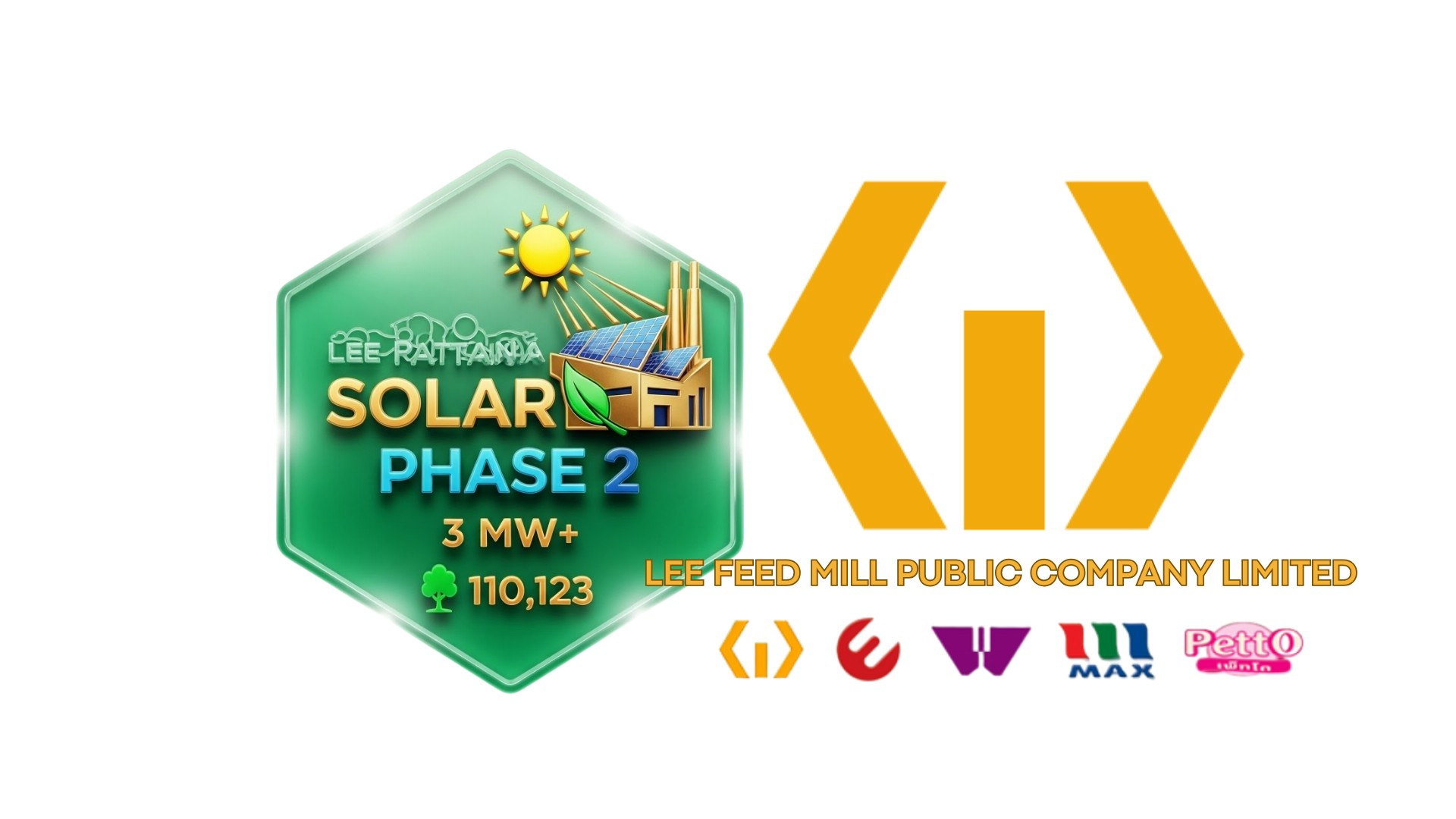
Estimated Environmental Benefits of Phase 2 (Per Year) :
Energy Savings: An additional 3,500,000 kilowatt-hours (kWh) of clean electricity generated annually for use in production processes.
Greenhouse Gas Reduction: A reduction of approximately 1,749.65 tons of carbon dioxide equivalent (tCO2e) per year by replacing grid electricity with renewable solar power.
Nature Restoration Equivalent : The amount of carbon reduced is comparable to planting approximately 110,123 trees annually to absorb carbon dioxide.
Water Resource and Water Quality Management Practices
The Lee Pattana Group places great importance on efficient and sustainable water resource management in the animal feed production process. To achieve this, the Group implements various measures, including collecting surface water during the rainy season and conducting regular water quality checks to ensure there are no harmful contaminants that could impact production or the environment. Additionally, condensate water from the dehumidification process is repurposed within the steam production system, reducing both raw water consumption and wastewater discharge. The Group also focuses on wastewater treatment to meet quality standards, allowing for its reuse in activities such as irrigation within the factory, instead of being released externally. Furthermore, Lee Pattana promotes ongoing employee training to raise awareness about the importance of water conservation and efficient usage.
Lee Pattana fully recognizes that “water” is a vital resource in animal feed production. The Company therefore emphasizes water management based on the principles of maximum efficiency and compliance with international water quality standards, aiming to prevent long-term impacts on surrounding ecosystems and communities.
1. Strengthening Water Security To ensure continuity in production and reduce reliance on a single water source, the Company has adopted an integrated water resource management strategy:
Balanced Water Resource Utilization: Currently, groundwater serves as the primary water source in the production process. Water extraction volumes are carefully controlled to maintain the balance of underground aquifers.
Surface Water Treatment System Project (Planned for Late 2025):The Company is in the process of developing an in-house water treatment system utilizing “surface water” as a supplementary source. This initiative will reduce excessive groundwater withdrawal and sustainably enhance long-term water security within the organization.
2. Water Quality Management and Circular Water Innovation The Company strives to maximize water efficiency through innovation and stringent monitoring:
Condensate Return System: Building on its continued success, the Company recovers more than 45% of condensate water from the drying process and reuses it in the boiler system. This effectively reduces raw water consumption and lowers the energy required for reheating.
Zero Discharge Policy: The Company operates a highly efficient on-site wastewater treatment system to ensure treated water meets all legal standards. Under a closed-loop management system, 100% of wastewater is contained within the factory premises, guaranteeing that no untreated discharge escapes beyond the facility.
Water Reuse Initiatives: Treated water is reused for non-production activities, such as expanding green areas and irrigating plants within the factory, minimizing unnecessary water disposal.
3. Monitoring and Awareness Building The Company places strong emphasis on regular water quality monitoring at every stage to ensure that water used in the production process is clean and free from contaminants that could affect animal feed quality. In addition, the Company actively promotes employee training and awareness programs to foster a thorough understanding of water conservation and efficient utilization practices across all departments.
Guidelines for Waste Management
Guidelines for waste management, public communications, education on waste sorting within the organization, and determination of waste bin locations. Waste types can be classified as follows:
1. General solid waste, e.g., paper, wood, glass, leaves, sewage. The implementation has been conducted through activities in order to reduce the use of unnecessary resources, reuse equipment, e.g., using both sides of paper; recycle (recyclable waste), reprocess into new things, e.g., changing paper, boxes, paper bags, glass, plastic, or cans, into a container, etc.
2. General waste, sewage or discarded materials generated from industrial processes, e.g., paper bags, plastic bags, metal, steel drums, wood pallets that are not contaminated with hazardous substances and recyclable. For personal protective equipment, e.g., gloves, masks, etc., the amount of usage shall be controlled while some materials can be cleaned and reused, e.g., cloth gloves.
3. Hazardous waste to be disposed of, e.g., cloth with oil stains, oily sawdust, old paintbrushes, materials contaminated with hazardous substances which are not recyclable, with logs to monitor and optimize the usage.
4. Sellable hazardous waste, e.g., ball bearings, contaminated metal kits, used oil, ink cartridges, paint cans, tin cans, turpentine, and oil barrels, which can be reused.
In part of the controlling procedures, once a material is used and waste is generated as a result, a survey log must be done to identify waste amounts of each function on a monthly basis with weekly waste inspection and control.
Lee Pattana places strong emphasis on systematic waste and surplus material management, guided by the principles of waste reduction at the source and maximizing value through reuse and recycling. The objective is to minimize waste disposal while preventing negative impacts on the environment and surrounding communities.
3Rs Strategy and Systematic Waste Segregation The Company has clearly designated waste segregation points throughout the organization and promotes employee awareness through education on proper waste sorting practices. Waste and by-products are categorized to ensure effective management as follows:
General Waste and Recyclable Materials: The Company promotes activities under the 3Rs principle—Reduce (minimizing unnecessary resource use), Reuse (such as double-sided paper usage), and Recycle (separating valuable materials such as paper, plastic, glass, and metals for reprocessing into new products).
Production Waste and Surplus Materials: Non-hazardous materials such as wooden pallets, paper bags, and metal scraps are managed with a focus on internal reuse or transfer to certified contractors. This approach supports resource circulation in line with the circular economy concept.
Personal Protective Equipment (PPE) Management: Measures are in place to control usage volumes and maintain reusable protective equipment, such as washable fabric gloves, to reduce waste generation from safety gear without compromising hygiene standards.
Hazardous Waste and Contaminated Material Management The Company enforces strict standards for the storage and disposal of hazardous waste to ensure maximum safety:
Hazardous Waste for Disposal: Materials contaminated with hazardous substances and unsuitable for reuse, such as oil-soaked rags and sawdust, are carefully recorded, segregated, and transferred to legally authorized contractors for proper disposal.
Hazardous Waste for Recovery: Deteriorated materials that retain commercial value, such as used oil, bearings, and printer cartridges, are collected and forwarded to appropriate recovery and recycling processes according to their material characteristics.
Guidelines for Electricity Management and Greenhouse Gas Management
1. Enhance production efficiency to reduce electrical energy and heat consumption.
Electricity In the past operating year, energy conservation measures were implemented in accordance with the ISO 50001:2018 energy management standard system. This initiative stemmed from machinery modifications undertaken as part of investment promotion efforts by the Board of Investment (BOI) to enhance production efficiency. Specifically, modifications included optimizing machinery to utilize low-energy consumption, improving production efficiency, and engaging in Total Productive Maintenance (TPM) practices.
Thermal Energy (Production Fuels) Enhance steam production efficiency by controlling key variables affecting energy usage. This involves managing fuel humidity, ensuring regular cleaning of combustion chambers, adjusting oxygen input based on fuel type, optimizing boiler blowdown timing, and reusing condensate. Additionally, reduce steam usage in food production by implementing measures such as disabling steam during downtime and adjusting dryer pressure based on production speed.
2. Implement paperless practices by transitioning data recording methods. Instead of manual paper-based production reports, utilize electronic recording forms integrated into a secure computer database system and electronic document storage (e-Document). Leveraging automated data recording technology supported by the current production system ensures accuracy and efficiency. This includes employing software and applications that facilitate easy information retrieval, supported by barcode systems for swift and precise data entry.
3. Minimize waste generation during production processes.
4. Decrease consumable usage by engaging in Total Productive Maintenance (TPM) activities, where all team members participate in maintenance efforts. Utilize insights gained from TPM of Arts activities, such as learning from drawing, to optimize the durability of consumables like mill blades and pellet dies through effective lifespan management.
Lee Pattana is committed to becoming a leader in the sustainable animal feed industry by establishing a systematic foundation for energy management and greenhouse gas reduction. Its operational framework aligns with international standards and modern innovations.
1. Integrated Electricity and Thermal Energy Management The Company has elevated its energy performance through conservation measures in accordance with ISO 50001:2018 standards and supported by investment incentives from the Board of Investment (BOI) to upgrade production technologies for maximum efficiency.
Electricity Management and Clean Energy Transition:
Solar Energy Adoption: The Company has successfully installed Solar Rooftop systems, enabling it to generate more than 30% of its electricity demand for manufacturing operations internally. Strategically, it plans to expand capacity by an additional 3-4 MW, aiming to increase self-generated electricity to 60-80% in the near future, advancing toward its Net Zero goal.
Green Logistics: The Company has initiated the transition from diesel-powered forklifts to electric forklifts (EV Forklifts). Each electric unit reduces diesel consumption by more than 340 liters per month per vehicle, while significantly lowering warehouse pollution and greenhouse gas emissions.
Thermal Energy and Renewable Fuel Management:
100% Biomass Utilization: The Company has achieved its target of replacing fossil fuels entirely with biomass for steam production. Combustion efficiency and oxygen levels are carefully controlled to ensure optimal performance according to the type of biomass fuel used.
Heat Recovery Innovation: Through the Condensate Return system, hot condensate water is recovered and reused. Additionally, dryer pressure is adjusted in accordance with production rates (TPH) to minimize unnecessary thermal energy losses.
2. Advancing Toward Digital Data Recording and Smart Paperless Processes The Company has transitioned from manual record-keeping to a fully integrated real-time database system :
Data Integrity: Barcode technology and automated data entry systems are implemented to ensure accuracy and speed in recording production reports.
Enhanced Data Management through System Integration: The Company has integrated its Enterprise Resource Planning (ERP) system with electronic documentation (E-Document) platforms to establish a secure, fully connected database. This integration enables precise and real-time data retrieval and traceability, while supporting timely strategic decision-making in energy management through centralized processing systems.
3. Waste and Consumables Reduction through TPM (Total Productive Maintenance) The Company promotes engagement at all organizational levels through TPM activities aimed at extending the lifespan of machinery and consumables:
TPM of Arts: Employees apply observational learning and technical drawing of machine components to better understand equipment behavior, such as milling blades and pellet dies.
Life-cycle Extension: Clearly defined service life parameters and preventive maintenance programs help extend the lifespan of consumables, reducing industrial waste generation and lowering long-term production costs.
4. Greenhouse Gas (GHG) Monitoring and Reporting The Company applies greenhouse gas emission factors in calculating carbon emissions from electricity and fuel consumption. This enables accurate evaluation of energy conservation measures and provides a reliable data foundation for developing internationally aligned greenhouse gas reduction strategies in the future.
Policy Document Link
https://www.leepattana.com/web/download/file/e62691b5.pdf
Environmental Guidelines
| Guideline |
|---|
| Electricity Management |
| Fuel Management |
| Renewable/Clean Energy Management |
| Water Management |
| Waste Management |
| Greenhouse Gas and Climate Change Management |
Environmental Policy Review
Policy Reviewed This Year
Yes
Review Details
In the past year, the Group has consistently reviewed and refined its environmental policies and practices, emphasizing the reduction of greenhouse gas emissions from animal feed production. This is achieved through process improvements, the adoption of renewable energy, and efficient energy management measures. The measurable outcomes include a reduction in greenhouse gas emissions in both Scope 1 and Scope 2, as well as a decrease in energy consumption per production unit. These achievements have not only reduced operational costs but also contributed to the Group’s long-term sustainability goals.
Policies & Guidelines Changed
| Change |
|---|
| Electricity Management |
| Fuel Management |
| Renewable/Clean Energy Management |
| Water Management |
| Waste Management |
| Greenhouse Gas and Climate Change Management |
Energy — Plan & Guidelines
Has an Energy Management Plan
Yes
Plan Description
The Lee Pattana Group is committed to operating its business with a strong focus on resource efficiency and environmental responsibility, while adhering to legal requirements. This ensures that the energy entering the business processes is utilized to its maximum potential. The Group continuously enhances its production processes and integrates appropriate technologies to optimize benefits for the organization. Currently, the Group has adopted clean energy technologies, including a solar rooftop project that generates a maximum electrical capacity of 3.996 MW. The anticipated annual electricity production from the solar cells is 5.199 million kWh, accounting for 32% of the Group’s total electricity consumption. This transition has resulted in a reduction of 2,600 tons of CO2 equivalent (tCO2e) in greenhouse gas emissions.
Furthermore, the Group has explored the use of biomass energy to optimize energy efficiency and reduce dependence on fossil fuels. In 2021 (baseline year), the Group relied entirely on coal as an energy source. However, by 2023, it reduced its coal usage and increased the share of biomass energy, resulting in an energy mix of 48% coal and 52% biomass. This change led to a reduction of 13,193 tons of CO2 equivalent, representing a 58.74% decrease compared to the baseline year. For 2024, the Group aims to increase the share of biomass energy (from palm karnel shells) to over 80%, using primarily palm kernel shells and wood pellets as fuel to further minimize greenhouse gas emissions.
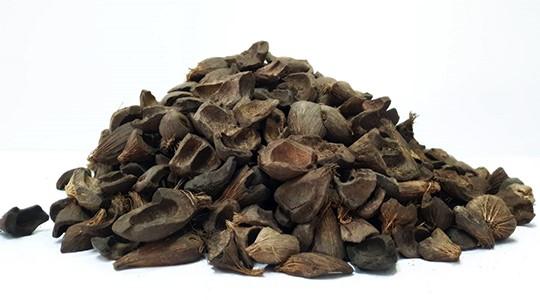
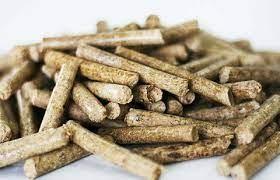
In terms of equipment and machinery, the Group has implemented energy-efficient technologies, such as high-performance motors, LED lighting systems, and energy-efficient air conditioning units. Additionally, the Group has improved its energy management system to plan and manage energy usage efficiently across its factory. Practices such as turning off lights when not in use, adjusting air conditioner temperatures appropriately, and minimizing energy consumption during non-essential periods have been adopted. Regular maintenance of equipment and machinery ensures optimal performance, preventing unnecessary energy waste.
Lee Pattana conducts its business with a strong commitment to maximizing resource efficiency and utilization under environmentally responsible practices and strict legal compliance. The Company continuously improves its production processes through modern technologies to ensure that every unit of energy entering the system is used at optimal efficiency (Energy Efficiency).
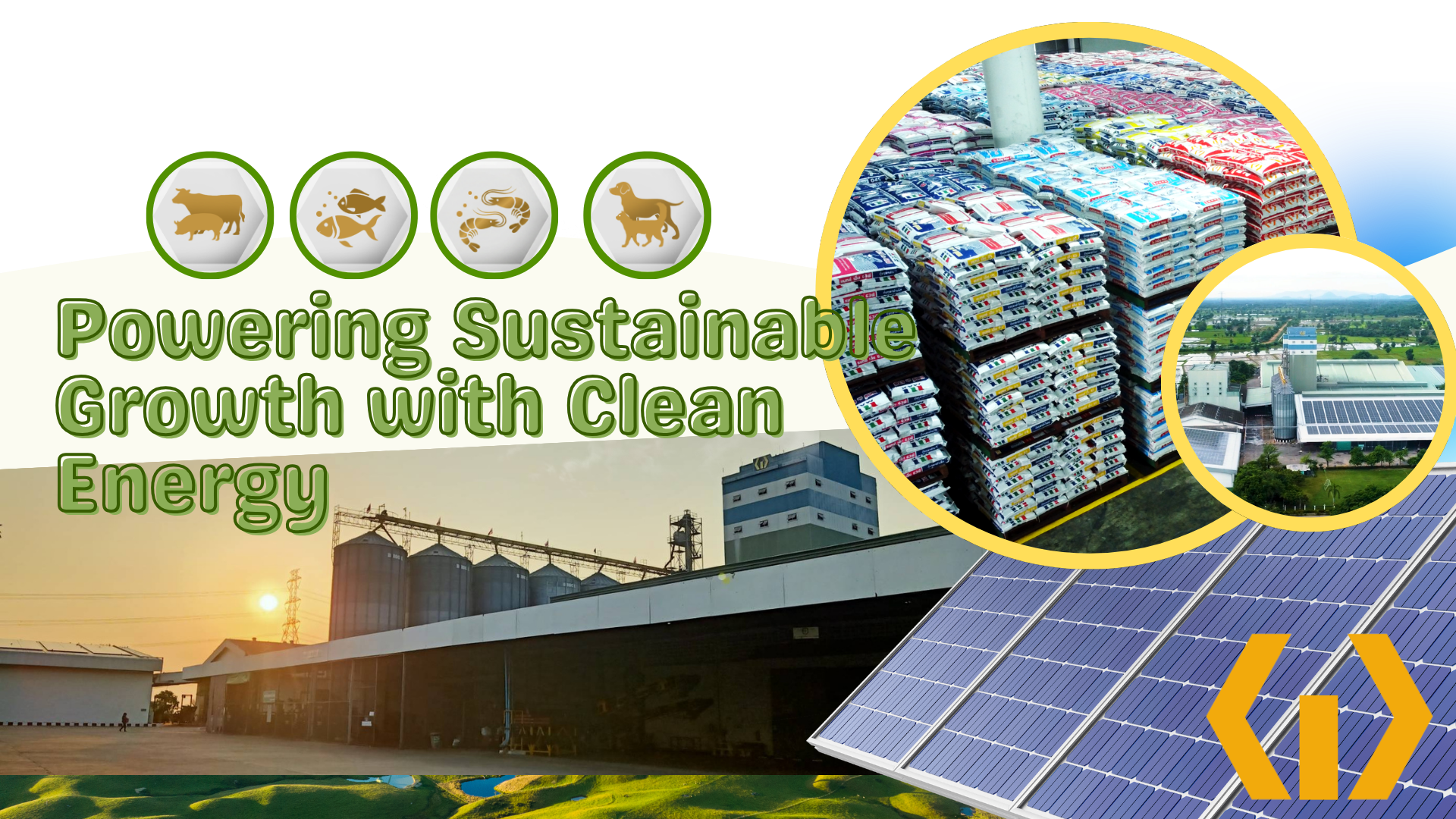
1. Clean Energy Transition Strategy (Solar Energy Initiatives) The Company has successfully positioned clean energy technology as a core pillar of its manufacturing operations through its Solar Rooftop project:
Current Capacity: With a maximum installed capacity of 3.996 MW, the system can generate up to 4.196 million kWh of electricity annually for internal use.
Tangible Results: Solar energy accounts for as much as 32% of total electricity consumption, enabling the Company to reduce greenhouse gas emissions by more than 2,600 tCO2e per year.
Long-term Vision: The Company plans to expand capacity by approximately 3 MW, which will increase electricity generation by over 3.5 million kWh per year and reduce emissions by more than 1,750 tCO2e annually by 2026. This expansion supports long-term energy security and sustainable carbon reduction goals.
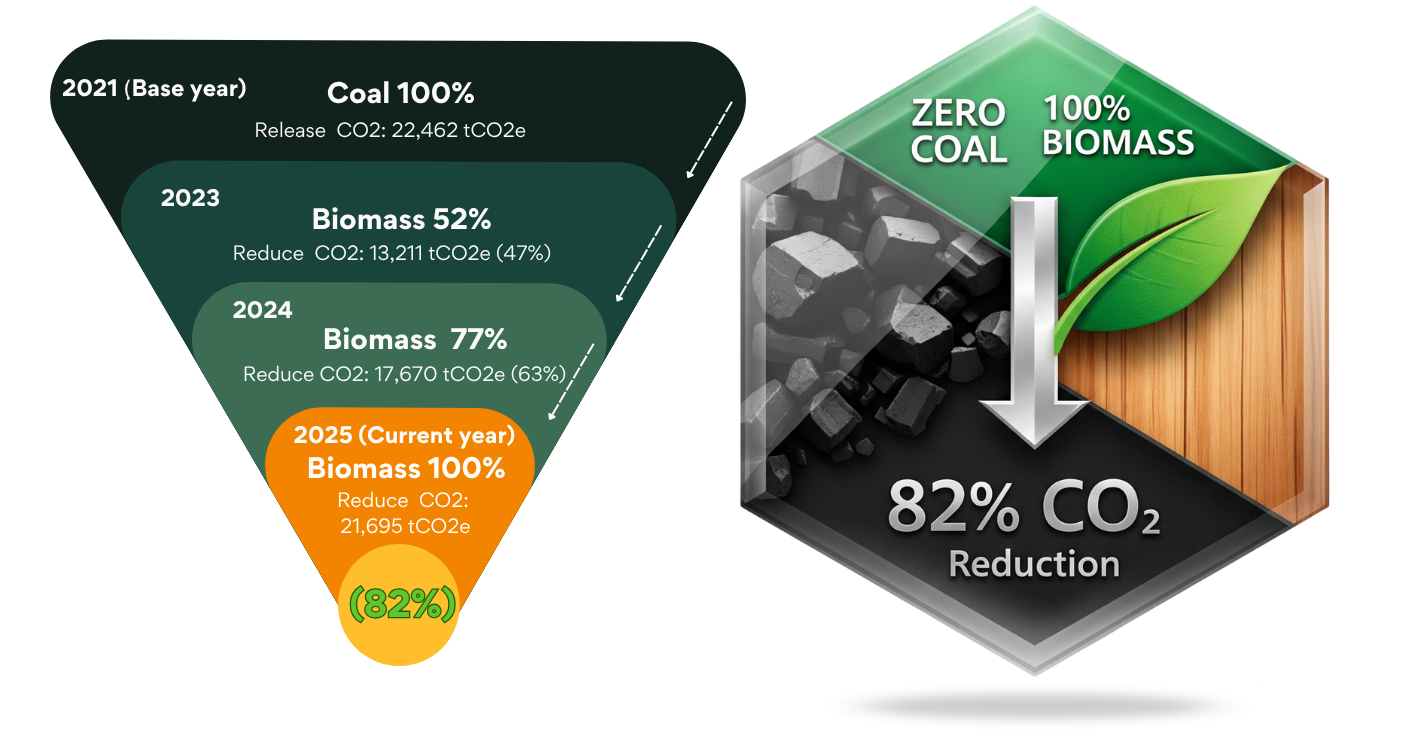
2. Success in Reducing Fossil Fuel Consumption In the 2021 base year, the Company relied 100% on coal for energy, resulting in greenhouse gas emissions of 22,462 tCO2e per year. Through a continuous fuel transition strategy, the Company has achieved remarkable progress:
Fuel Transition Evolution: The Company has successfully reduced its reliance on coal by integrating biomass as a substitute, resulting in a progressive decline in coal consumption as follows:
Year 2023 : 48% coal, replaced by 52% biomass, cutting CO2 emissions by 13,211 tCO2e (a 47% reduction compared with the base year).
Year 2024 : 23% coal, replaced by 77% biomass, cutting CO2 emissions by 17,670 tCO2e (a 63% reduction compared with the base year).
Year 2025 : 100% biomass, cutting CO2 emissions by 21,695 tCO2e (a 82% reduction compared with the base year).
Full Sustainability Achievement: The Company has now achieved 100% biomass fuel utilization, including palm kernel shells and wood pellets, reducing annual greenhouse gas emissions to 265 tCO2e (EF = 0.0304). A key advantage of the selected biomass fuels is the concept of “short-term carbon neutrality.” During their growth, oil palm trees absorb carbon dioxide from the atmosphere and store it as biomass through photosynthesis. Therefore, the release of 13,937 tons of CO2 (EF = 1.853) from combustion represents the return of previously absorbed carbon to the natural cycle, creating no additional net carbon burden (Net Zero Impact). This marks a significant milestone in completely eliminating fossil fuels from the Company’s thermal energy system.
3. Enhancing Production Efficiency through Innovation and Intelligent Systems (Operational Excellence)Beyond changing energy sources, the Company emphasizes “maximizing energy utilization” through multiple mechanisms:
ISO 50001 & ESO (Energy Saving Opportunities): Implementation of energy-saving measures for electricity and thermal systems, including LED lighting upgrades and high-efficiency air conditioning systems, supported by regular preventive maintenance to minimize unnecessary energy losses.
Digital Transformation & ERP Integration: Deployment of ERP systems and real-time energy databases enhances analytical accuracy, enables transparent traceability, and supports informed decision-making in energy management.
Organizational Culture through TPM: Promotion of Total Productive Maintenance (TPM) encourages company-wide participation in extending machinery lifespan and reducing waste-generating activities in production processes.
With a comprehensive energy management plan encompassing both energy transition and efficiency optimization,
Lee Pattana is well-positioned to advance toward becoming a Smart Green Factory, strengthening long-term stakeholder confidence.
Energy — Electricity Consumption
Electricity Consumption
| Metric | Current Year | Previous Year | Two Years Ago |
|---|---|---|---|
| Total electricity consumption within the organization (Kilowatt-Hours) | 13,821,811.82 | 15,027,926.66 | 16,519,975.02 |
| Electricity purchased for consumption from non-renewable energy sources (Kilowatt-Hours) | 9,625,278.64 | 12,797,780 | 16,519,975.02 |
| Electricity purchased or generated for consumption from renewable energy sources (Kilowatt-Hours) | 4,196,533.18 | 2,230,146.66 | 0 |
Energy — Fuel Consumption
Introduction
The Company is committed to improving energy efficiency in transportation and material handling operations, both on-road and off-road, which are key contributors to direct greenhouse gas emissions (Scope 1). Fuel management has been strengthened through proactive strategies and modern technologies, as follows:
Minimizing engine operation without load (Idle Time) to reduce unnecessary fuel consumption.
Conducting regular engine and vehicle maintenance (Preventive Maintenance System) to ensure optimal combustion efficiency and lower pollutant emissions.
Enhancing drivers’ knowledge and awareness of fuel-efficient and safe driving practices.
Clean Energy Transition Initiative
A clean energy transition initiative undertaken over the past year was a pilot project to replace diesel-powered forklifts using internal combustion engines with electric forklifts (EV Forklifts):
Statistical Results: Switching to electric forklifts reduced diesel consumption by an average of 340 liters per month, replaced by only 565 kWh of electricity, representing a cleaner and more energy-efficient alternative.
Environmental Impact: The transition has reduced greenhouse gas accumulation and noise pollution within warehouse areas, contributing to improved employee health and fostering environmentally friendly, clean operations.
Fuel Consumption
| Metric | Current Year | Previous Year | Two Years Ago |
|---|---|---|---|
| Crude oil (Barrels) | |||
| Coal (Metric tonnes) | 4.75 | 1,798.72 | 3,580.53 |
| Jet fuel (Litres) | |||
| Diesel (Litres) | 314,334.29 | 357,091.03 | 298,817.16 |
| Gasoline (Litres) | 79,181.29 | 80,382.42 | 87,035.71 |
| Fuel oil (Litres) | 9,972 | 22,696 | 4,904 |
| Natural gas (Standard cubic feet) | |||
| LPG (Kilograms) | 8,925 | 9,135 | 9,753 |
| Steam (Metric tonnes) | 42,969.72 | 49,958.06 | 51,151.86 |
Energy — Targets
Has Set Targets
Yes
Targets
| Target | Base Year | Base Year Value | Target Year | Target Year Value | Target Change (%) | Unit |
|---|---|---|---|---|---|---|
| Reduction of electricity purchased and fuel consumption | 2,024 | 14,878,306 | 2,025 | 374,490 | 1.5 | Kilowatt-hour |
Energy — Performance & Outcomes
Has Performance Results
Yes
Performance Description
Electricity Consumption
In 2025, total electricity consumption amounted to 13,746,065 kWh, equivalent to an energy intensity of 88.14 kWh/t of production. This represents a decrease from 106.60 kWh/t in 2024, reflecting an improvement of 17.32%.
Renewable Energy Utilization: Total renewable energy consumption reached 2,030,146.66 kWh per year, generated from Solar Rooftop installations.
The Company’s achievement in improving energy efficiency to 88.14 kWh/t in the past year was driven by expanded OEM livestock feed production and effective full-capacity machinery optimization.
For 2026, the Company has established a new target aligned with its actual production capacity. The Energy Intensity target is set at no more than 86.50 kWh/t (a further reduction of 1.8% from 2025). This objective aims to maintain a competitive energy cost advantage while reinforcing the Company’s commitment to becoming a smart enterprise that maximizes resource efficiency.
Thermal Energy (Steam Production Fuel)
In 2025, steam production relied entirely on biomass fuels (including palm kernel shells and wood chips), reducing greenhouse gas emissions to 268 tCO2e. This represents 1.19% of emissions compared with the base year (2021).
Variable Steam Pressure Management A key achievement during the past year was the full implementation of a variable steam pressure management system to address energy overconsumption in the steam production process:
Demand-Based Optimization: Steam pressure is adjusted according to the specific type of animal feed being produced on each production line, since different products require varying temperature and pressure levels when production schedules do not run simultaneously.
Significant Reduction in Solid Fuel Consumption: By optimizing steam pressure to match product requirements, the boiler workload is reduced during low-pressure operations. As a result, solid biomass fuel consumption per unit of production has decreased significantly, while maintaining consistent feed quality and optimal cooking standards at the highest levels.
Water — Plan & Guidelines
Has a Water Management Plan
Yes
Plan Description
Water Conservation and Efficiency Measures: To improve efficiency, the Group has optimized the drying process by reintroducing condensate from the drying process back into the steam production system (boiler). This initiative reduces the consumption of groundwater or surface water (raw water), minimizes wastewater discharge, and lowers the use of solid fuels in steam production. As a result, greenhouse gas emissions are reduced to mitigate global warming.
Wastewater Treatment and Reuse Measures: Effective wastewater management is crucial for factory operations, especially wastewater generated from production processes and equipment cleaning. Improper disposal of untreated water can harm the environment and neighboring communities. The Group focuses on efficient wastewater treatment in treatment ponds to meet quality standards, allowing the water to be reused for irrigation within the factory, rather than being released externally.
Training and Awareness Programs: The Group provides training to employees on the significance of water conservation and effective water usage practices.
Water — Withdrawal, Discharge & Consumption
Water Withdrawal, Discharge & Consumption
| Metric | Current Year | Previous Year | Two Years Ago |
|---|---|---|---|
| Total water withdrawal (Cubic meters) | 116,794.24 | 104,371.73 | 116,239.35 |
| Total water withdrawal by third-party water (Cubic meters) | |||
| Total water withdrawal by surface water (Cubic meters) | 40,151.23 | 28,882.7 | 49,730.2 |
| Total water withdrawal by groundwater (Cubic meters) | 76,643.01 | 75,489.03 | 66,509.15 |
| Total water withdrawal by seawater (Cubic meters) | |||
| Total water withdrawal by produced water (Cubic meters) | |||
| Percentage of wastewater treated before discharge (%) | |||
| Total water discharge (Cubic meters) | |||
| Total water discharge to third-party water (Cubic meters) | |||
| Total water discharge to surface water (Cubic meters) | |||
| Total water discharge to groundwater (Cubic meters) | |||
| Total water discharge to seawater (Cubic meters) | |||
| Total water consumption (Cubic meters) | 116,794.24 | 104,371.73 | 116,239.35 |
| Recycled water (Cubic meters) |
Water — Targets
Has Set Targets
No
Water — Performance & Outcomes
Has Performance Results
No
Waste — Plan & Guidelines
Has a Waste Management Plan
Yes
Plan Description
The Group has implemented a waste management system that categorizes waste according to legal requirements and incorporates measures to prevent environmental contamination. This system covers all aspects, from collection and disposal to proper segregation of waste types. It includes an internal management process that tracks waste volumes on a daily and monthly basis, ensuring proper collection, storage, and disposal by authorized companies approved by the Department of Industrial Works. The entire system is fully traceable. For example:
• Hazardous waste includes items such as light bulbs, outdated electronic devices, contaminated containers, used lubricating oils, and laboratory waste. These are disposed of through licensed companies in compliance with legal requirements. Disposal methods include recycling, landfilling, or other appropriate means of disposal.
• General (non-hazardous) waste includes items like plastic bags, plastic bottles, paper scraps, metal scraps, and plastic sacks. The Group has implemented a waste segregation program to minimize landfill waste by selling recyclable materials to authorized companies for proper recycling.
Waste — Generation, Disposal & Recycling
Waste Generation, Disposal & Recycling
| Metric | Current Year | Previous Year | Two Years Ago |
|---|---|---|---|
| Total waste generated (Kilograms) | 82,762.8 | 488,927.9 | 495,875 |
| Non-hazardous waste (Kilograms) | 78,794.8 | 485,141 | 395,985 |
| Non-hazardous waste - Landfilling (Kilograms) | |||
| Non-hazardous waste - Incineration (with energy recovery) (Kilograms) | |||
| Non-hazardous waste - Incineration (without energy recovery) (Kilograms) | |||
| Non-hazardous waste - Other disposal operations (Kilograms) | |||
| Hazardous waste (Kilograms) | 3,968 | 3,786.9 | 99,890 |
| Hazardous waste - Landfilling (Kilograms) | |||
| Hazardous waste - Incineration (with energy recovery) (Kilograms) | |||
| Hazardous waste - Incineration (without energy recovery) (Kilograms) | |||
| Hazardous waste - Other disposal operations (Kilograms) | |||
| Total reused/recycled waste (Kilograms) | |||
| Reused/Recycled non-hazardous waste (Kilograms) | |||
| Reused non-hazardous waste (Kilograms) | |||
| Recycled non-hazardous waste (Kilograms) | |||
| Reused/Recycled hazardous waste (Kilograms) | |||
| Reused hazardous waste (Kilograms) | |||
| Recycled hazardous waste (Kilograms) |
Waste — Targets
Has Set Targets
No
Waste — Performance & Outcomes
Has Performance Results
No
GHG — Plan & Guidelines
Has a GHG Management Plan
Yes
Plan Description
Greenhouse gases are a critical global issue with significant environmental impact. In 2024, the Group took proactive steps by establishing a dedicated working group to provide training, raise awareness, and collect data on greenhouse gas emissions for Scope 1 and Scope 2. To ensure accuracy in these calculations, the Group engaged KKN Sustainability Co., Ltd. and worked with Ms. Woranut Karikarn, a registered carbon footprint consultant with the Thailand Greenhouse Gas Management Organization (Public Organization) since December 29, 2022. This expert guidance ensures that emissions calculations align with international standards and best practices.
Over the past year, the Group has consistently delivered high-quality products that meet customer demands, while closely managing energy consumption across various operations. The Group has experienced a steady reduction in energy use per unit, compared to the baseline year (used for analyzing and comparing energy data, such as energy consumption, greenhouse gas emissions, or energy efficiency). This improvement stems from the Group’s commitment to internationally recognized production standards, the integration of cutting-edge manufacturing innovations, and the implementation of automation, robotics, and digital systems for production management. These advancements have not only reduced energy and fuel costs but have also contributed to a significant reduction in the Group’s greenhouse gas emissions.
GHG — Emissions
GHG Emissions
| Metric | Current Year | Previous Year | Two Years Ago |
|---|---|---|---|
| Total GHG emissions (Metric tonnes of carbon dioxide equivalent) | 1,812 | 13,019.87 | 19,057.27 |
| Total greenhouse gas emissions 1 (Metric tonnes of carbon dioxide equivalent) | 1,812 | 6,421 | 10,940.8 |
| Total greenhouse gas emissions 2 (Metric tonnes of carbon dioxide equivalent) | 6,598.87 | 8,116.47 | |
| Total greenhouse gas emissions 3 (Metric tonnes of carbon dioxide equivalent) |
GHG — Emissions Verification
Emissions Verified by a Third Party
No
GHG — Principles & Standards
Principles & Standards Applied
| Standard |
|---|
| 2671 |
GHG — Targets
Has Set GHG Targets
No
GHG — Performance & Outcomes
Has Performance Results
Yes
Performance Description
Impact of Biomass Energy on Reducing Greenhouse Gas Emissions in Scope 1 (Direct emissions from sources owned or controlled by the organization): Biomass energy is a highly effective renewable energy source for mitigating greenhouse gas emissions. When burned, biomass releases CO2 that was previously absorbed by plants during their growth, creating a carbon-neutral cycle. This not only reduces reliance on fossil fuels but also optimizes the use of renewable resources. However, the use of biomass must be coupled with sustainable resource management practices to prevent long-term environmental and ecological consequences. Key activities in this category include the combustion of fuels such as biomass in boilers, fuel oil in engines, and the use of fuel in organizational vehicles like cars and trucks, as well as refrigerant leakage. The Group has successfully reduced greenhouse gas emissions by a total of 17,721 metric tons of CO2 equivalent (tCO2e) compared to the baseline year. This reduction was achieved by switching to biomass fuels, including wood pellets and wood chips, in place of fossil fuels such as coal, leading to a 17,688 tonCO2 equivalent (tCO2e) reduction in emissions.
Impact of Solar Cells on Reducing Greenhouse Gas Emissions in Scope 2 (Indirect emissions from energy consumption): The animal feed manufacturing industry is known for its high energy consumption, particularly in processes such as grinding, pelletizing, and drying. These operations typically rely on fossil fuels, leading to significant CO2 emissions from power generation. By adopting solar cell technology, the Group has not only reduced energy costs but also advanced its sustainability goals by effectively decreasing carbon emissions. Solar energy has helped the Group save an average of 4.3 GWh of electricity annually, resulting in a reduction of approximately 2,145 tons of CO2 equivalent (tCO2e) per year. This reduction is comparable to the environmental impact of planting around 135,000 trees annually.
The transition to clean energy sources, such as solar rooftop systems, and the switch to biomass fuels like wood pellets and wood chips, have been pivotal in directly reducing carbon dioxide (CO2) emissions—the primary greenhouse gas emitted from the combustion of fossil fuels. Greenhouse gas emissions in Scope 1 have decreased by 75% compared to the baseline year, with current emissions totaling 5,784 tons of CO2 equivalent (TonCO2e), or 41.45 kg of CO2 equivalent per ton of product. This marks a significant reduction from the baseline level of 104.28 kg CO2 equivalent per ton of product. Similarly, greenhouse gas emissions in Scope 2 have reduced by 44%, with current emissions at 6,248 tons of CO2 equivalent (TonCO2e), or 44.78 kg of CO2 equivalent per ton of product, down from the baseline of 49.15 kg CO2 equivalent per ton of product.
The organization's commitment to sustainability and social responsibility underscores its focus not only on profit growth but also on "minimizing environmental impacts and enhancing the quality of life for the global population."
Lee Pattana is committed to driving its business toward Carbon Neutrality through systematic greenhouse gas (GHG) management aligned with international standards. Its approach covers both direct emission reductions and clean energy management throughout the production value chain. Measurable performance over the past year compared with the 2021 base year is summarized as follows:
Scope 1 (Direct GHG Emissions) covers direct greenhouse gas emissions from the Company’s operations. The primary strategy has been transitioning from fossil fuels to renewable energy:
Biomass Energy Achievement: Replacing coal with wood pellets, wood chips, and palm kernel shells reduced emissions by 21,723 tCO2ecompared with the base year (2021), with current emissions at1,787 tCO2e.
Biogenic Carbon Cycle: During the past year,13,937 tCO2ef biogenic carbon emissions from palm kernel shell usage were recorded. This carbon is classified as carbon neutral, as it was previously absorbed by plants during their growth cycle, resulting in no additional atmospheric carbon burden.
Statistical Outcome: Scope 1 emissions decreased by92% compared with the base year. Carbon intensity declined significantly from 104.28 kgCO2e per ton of product to 11.44 kgCO2e per ton of product.
Scope 2 (Indirect GHG Emissions) covers indirect emissions from purchased electricity, a major energy component in the animal feed industry:
Clean Energy from Solar Rooftop: Solar cell installations generate approximately4.2 GWh f electricity per year, reducing emissions by an average of2,097 tCO2e annually, equivalent to planting approximately100,000 trees per year.
Improved Efficiency: Scope 2 emissions decreased by56% compared with the base year. Carbon intensity dropped from49.15 to 30.80 kgCO2e per ton of product, highlighting the effectiveness of the solar rooftop system and internal energy conservation measures.
Sustainability Commitment Summary Through proactive measures addressing both Scope 1 and Scope 2 emissions, Lee Pattana has reduced total greenhouse gas emissions by 27,993 tCO2e, representing an 80.92% reduction compared with the base year (2021). This achievement is more than a statistical milestone. It reflects the Company’s firm commitment to conducting business responsibly, enhancing global quality of life, and contributing to long-term ecological balance.
Environmental Legal Incidents
Legal Violation Incidents
| Metric | Current Year | Previous Year | Two Years Ago |
|---|---|---|---|
| Number of cases or incidents of legal violations or negative environmental impact (cases) | 0 | 0 | 0 |
Employees — Plan & Guidelines
Has an Employee Management Plan
Yes
Plan Description
The Group upholds human rights principles and treats all employees with fairness and equality. It promotes employee health, well-being, and workplace safety, while ensuring appropriate opportunities for capability development. The Group’s key initiatives in each area are as follows:
1. Compensation The Group places strong emphasis on fair compensation management, employment conditions, and equitable employment practices. Recruitment, selection, appointment, and transfers are conducted based on merit and appropriateness. The Group promotes diversity and equal opportunity regardless of gender, educational background, religion, or ethnicity, with consideration given to candidates’ knowledge, skills, competencies, experience, and physical readiness. Compensation rates are determined appropriately based on job nature, employee level, and performance. The Group also prioritizes the development of standardized performance evaluation tools to ensure fairness for employees at all levels.
2 Employee Benefits The Group provides appropriate employee benefits to enhance morale and support employees in performing their duties effectively. Key benefits include:
Establishment of a Provident Fund to encourage disciplined savings and promote long-term financial security. Employees may contribute 3 - 15% of their salary, while the Group contributes 3 - 5% based on years of service for employees who are fund members.
Provision of life insurance, accident insurance, and health insurance. Employees who experience illness or accidents, whether work-related or not, are entitled to medical treatment in accordance with their coverage, which helps to reduce healthcare expenses.
Annual health check-ups provided once per year.
Medical expense support for families employees with at least 10 years of service.
Financial support for employees upon marriage and paid leave for ordination.
Financial assistance in the event of the death of an employee or a family member.
The Group places great importance on promoting employee engagement and morale, with the aim of ensuring that employees feel secure and confident in their roles, enjoy a good quality of life, and work together harmoniously. A legally mandated Welfare Committee has been established to serve as a channel for employees to express opinions and provide constructive suggestions to the Group. The Committee gathers feedback and presents concerns or issues to management, together with proposed solutions, to ensure timely and appropriate resolution.
3. Equality The Group ensures equality and equal opportunities for all individuals. It strictly prohibits forced labor and child labor and places great importance on employee health and personal safety by providing a safe and hygienic working environment. In addition, the Group exercises caution to prevent any form of harassment or violation of individual rights and freedoms.
The Group strictly adheres to its Personal Data Protection Policy to safeguard employees’ personal information and prevent unauthorized access, disclosure, or use without consent.
4. Career Advancement The Group believes that capability development and career progression are key factors in retaining employees and enabling them to grow alongside the organization. Annual training and development plans are established for employees at all levels, including both internal training programs and external specialized courses tailored to the specific needs of each department. These initiatives aim to ensure continuous and systematic development of employees’ knowledge and skills, enhance their capabilities and work efficiency, and strengthen overall competitiveness. This, in turn, supports employees’ career advancement and long-term professional growth within the organization.
5. Safety The Group places the priority on occupational health and workplace safety. Safety policies and management systems are established in compliance with applicable laws and international standards. Preventive measures are implemented to mitigate the risks of accidents, injuries, and work-related illnesses, while fostering a strong safety culture that promotes awareness of both personal and collective responsibility. Employees who are required to operate tools or equipment must complete appropriate training to ensure safe work practices. In addition, regular workplace inspections are conducted to maintain a safe, hygienic, and suitable working environment.
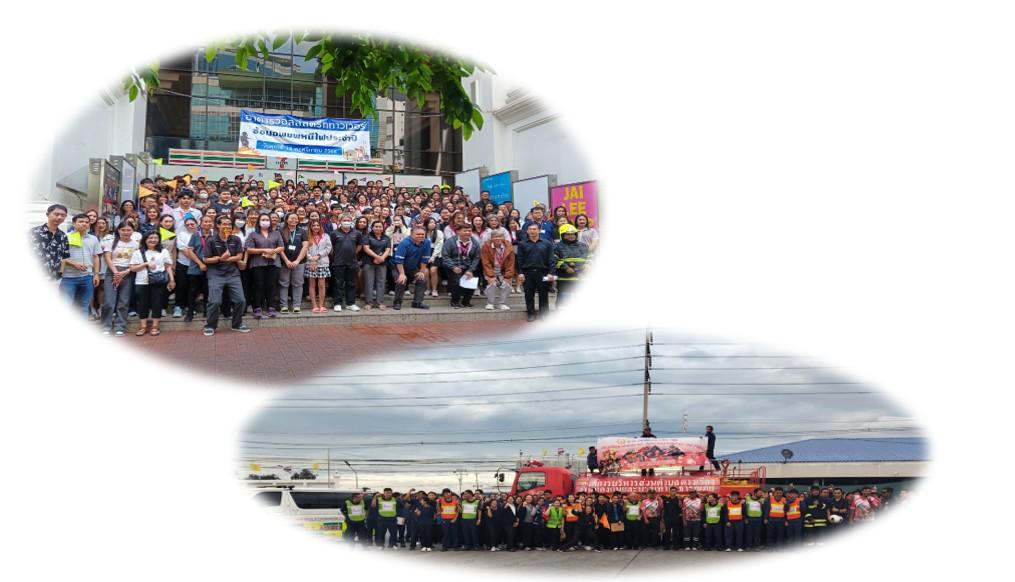
The Group also arranges health examinations for employees working in risk-related roles to minimize health impacts and prevent occupational diseases. Furthermore, campaigns are organized to reduce risk behaviors that may lead to accidents through various initiatives, such as the “Safe Driving Project,” the “Safety, Energy and Environment Week Project,” and the “Workplace Drug Prevention and Resolution Project.” Basic firefighting training is provided to employees, and fire emergency drills are conducted at least once per year to ensure preparedness in accordance with safety standards required by laws.
Plan Areas
| Plan Area |
|---|
| Fair employee compensation |
| Employee training and development |
| Promoting employee relations and participation |
| Occupational health and safety in workplace |
Employees — Workforce
Workforce Data
| Metric | Current Year | Previous Year | Two Years Ago |
|---|---|---|---|
| Total number of employees (Persons) | 645 | 656 | 660 |
| Number of male employees (Persons) | 416 | 421 | 431 |
| Number of female employees (Persons) | 229 | 235 | 229 |
| Total employment of disabled persons (people) | 6 | 6 | 6 |
| Total disabled employees (people) | 3 | 3 | 3 |
| Total male disabled employees (people) | 3 | 3 | 3 |
| Total female disabled employees (people) | 0 | 0 | 0 |
| Total disabled workers who are non-employee (people) | 3 | 3 | 3 |
| Contributions to the fund for promoting and improving the quality of life for disabled persons | 0 | 0 | 0 |
| Total number of male employees in operational level (Persons) | 394 | 399 | 409 |
| Total number of male employees in management level (Persons) | 19 | 20 | 20 |
| Total number of male employees in executive level (Persons) | 3 | 2 | 2 |
| Total number of female employees in operational level (Persons) | 222 | 228 | 221 |
| Total number of female employees in management level (Persons) | 7 | 7 | 7 |
| Total number of female employees in executive level (Persons) | 0 | 0 | 1 |
Employees — Remuneration & Provident Fund
Remuneration & Provident Fund
| Metric | Current Year | Previous Year | Two Years Ago |
|---|---|---|---|
| Total disabled employees (people) | 284,333,911.78 | 276,089,108.33 | 276,506,912.75 |
| Total male employee remuneration (Baht) | |||
| Total female employee remuneration (Baht) | |||
| Number of employees eligible to participate in PVD (persons) | 645 | 656 | 660 |
| Total number of employees joining employee provident fund (Persons) | 444 | 481 | 502 |
| Percentage of total number of employees joining employee provident fund to total number of employees (%) | 68.84 | 73.32 | 76.06 |
| Number of PVD members / Total eligible employees (%) | 68.84 | 73.32 | 76.06 |
| Total amount of provident fund contributed by the Company (Baht) | 6,062,760.73 | 6,000,371.27 | 6,221,568.17 |
| Total amount of provident fund contributed by employee (baht) |
Employees — Training & Development
Training Data
| Metric | Current Year | Previous Year | Two Years Ago |
|---|---|---|---|
| Average employee training hours (Hours / Person / Year) | 6 | 6 | 6 |
| Employee development and training expenses (baht) | 552,838.2 | 558,599 | 382,279.2 |
Employees — Occupational Health & Safety
Occupational Health & Safety Data
| Metric | Current Year | Previous Year | Two Years Ago |
|---|---|---|---|
| Total number of lost time injury incidents by employees (Cases) | 1 | 3 | 2 |
Employees — Labour Relations
Labour Relations Data
| Metric | Current Year | Previous Year | Two Years Ago |
|---|---|---|---|
| Total voluntary resignations (Persons) | 60 | 92 | 109 |
| Male employees who voluntary resigned (Persons) | 42 | 64 | 78 |
| Female employees who voluntary resigned (Persons) | 18 | 28 | 31 |
| Percentage of employee turnover leaving the Company voluntarily (%) | 9.3 | 14.02 | 16.52 |
| Evaluation result of employee engagement |
Employees — Employee Representation
Employees Are Represented Collectively
Yes
Forms of Representation
| Form |
|---|
| Welfare committee |
Employees — Targets
Has Set Employee Targets
No
Employees — Performance & Outcomes
Has Performance Results
No
Customers — Plan & Guidelines
Has a Customer Management Plan
Yes
Plan Description
The Group places great importance on producing safe, high-quality animal feed, consistently adhering to business agreements with customers based on honesty and fairness. It ensures that all product and service information is accurate, complete, and free from misrepresentation. The Group is committed to safeguarding customer confidentiality, including protecting personal data, and will never use such information without proper consent or for improper purposes.
The Group is dedicated to ongoing research and development, maintaining strict quality control throughout the production process to ensure that all products meet the highest standards. With the use of modern, high-performance machinery, The Group is able to deliver products that precisely meet customer needs. Furthermore, The Group is focused on continuously improving its sales and after-sales services, actively seeking customer feedback and addressing any complaints. Each year, The Group conducts satisfaction surveys to better understand customer needs and expectations, using the insights gained to refine products and services, ultimately ensuring enhanced customer satisfaction.
Plan Areas
| Plan Area |
|---|
| Responsible production and services for customers |
| Communication of product and service impacts to customers/consumers |
| Development of customer satisfaction and customer relationship |
| Protection of customer personal information |
Customers — Satisfaction Results
Customer Satisfaction Results
| Metric | Current Year | Previous Year | Two Years Ago |
|---|---|---|---|
| Evaluation results of customer satisfaction | 1 | 1 | 1 |
Customers — Targets
Has Set Customer Targets
No
Customers — Performance & Outcomes
Has Performance Results
No
Community & Social — Plan & Guidelines
Has a Community & Social Plan
Yes
Plan Description
Social Development and Surrounding Communities
The Group believes that one of the key factors supporting its sustainable growth is fostering strong relationships and creating opportunities through initiatives that benefit employees as well as surrounding communities. By cultivating a spirit of mutual support and social responsibility, the Group aims to enhance quality of life, promote a caring and harmonious society, strengthen community stability, and enable long-term self-reliance. Key initiatives include:
Promoting employees’ financial knowledge and skills through the “Savings and Personal Financial Management Promotion Program” in collaboration with the Stock Exchange of Thailand. This initiative encourages financial discipline, enabling employees to effectively manage their income, begin saving and investing independently, and build a strong financial foundation for the future.
Supporting local employment by prioritizing recruitment from nearby communities to help generate income and improve the quality of life of local residents.
Emphasizing harmonious coexistence with surrounding communities by implementing an ozone treatment system to eliminate odors generated from production processes, as well as utilizing microorganisms for wastewater treatment to minimize environmental impacts. The Group also deploys teams to engage with nearby communities to listen to feedback, complaints, and environmental concerns. Feedback received is used to improve operations and address issues, fostering mutually supportive coexistence between the Group and the community.
Encouraging employees to participate in volunteer activities and contribute to public benefit projects by assisting in the development and improvement of community facilities to enhance safety and convenience for local residents.
Supporting nearby communities in organizing religious and cultural events, such as Kathin (robe-offering) ceremonies, National Children’s Day activities, and local traditional festivals. These efforts aim to improve community well-being, foster a livable society, and preserve valuable cultural heritage.
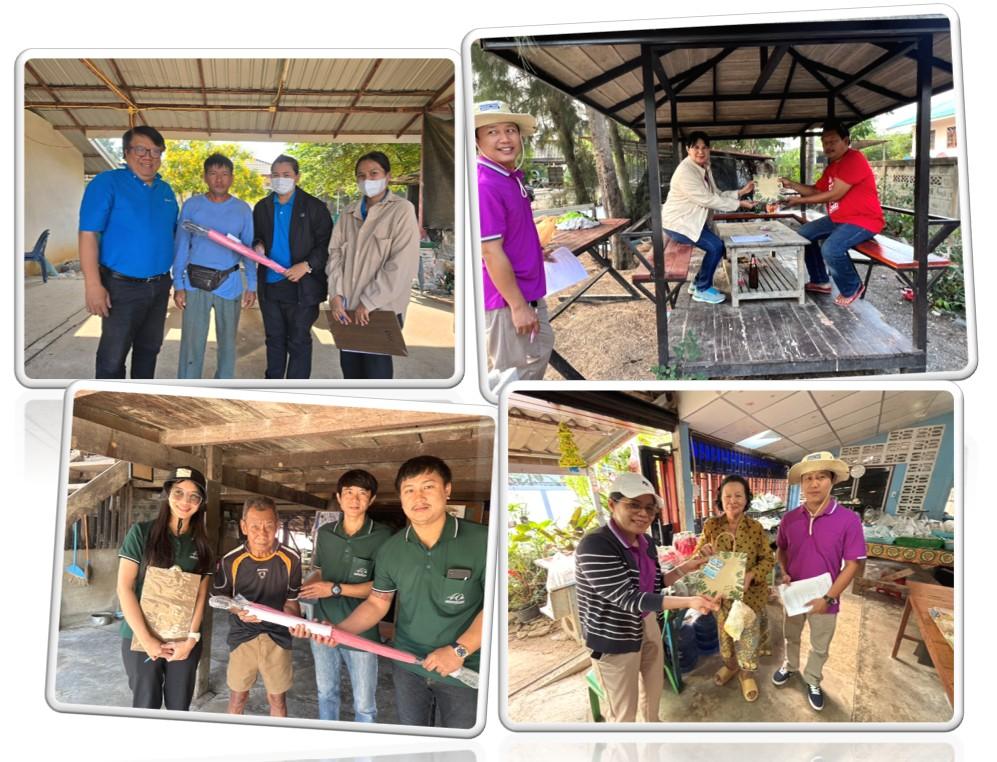
External Social Responsibility Programs
The Group recognizes its social responsibility and actively supports initiatives aimed at social development and assistance. It places particular emphasis on youth education, encouraging young people to grow and develop their full potential. In addition, the Group supports environmental stewardship and the responsible use of resources to enhance the quality of life within society and communities, enabling sustainable growth and development. The Group’s key social contribution projects are summarized as follows:
Donated 160 ready-to-use power banks to flood victims in Hat Yai through the Poh Teck Tung Foundation November 27, 2025, enabling affected individuals to maintain mobile communication during the major flood crisis when electricity services were disrupted.
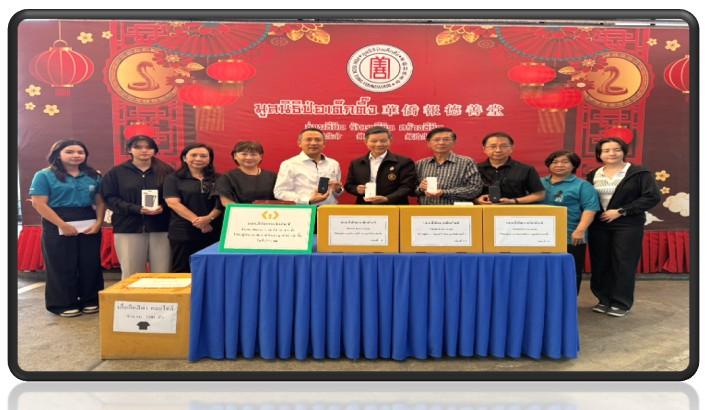
Donated drinking water and financial contributions to Phrachomklao Hospital, Phetchaburi Province, on November 15, 2025, to support a mobile colonoscopy screening project for colorectal cancer and liver ultrasound examinations.
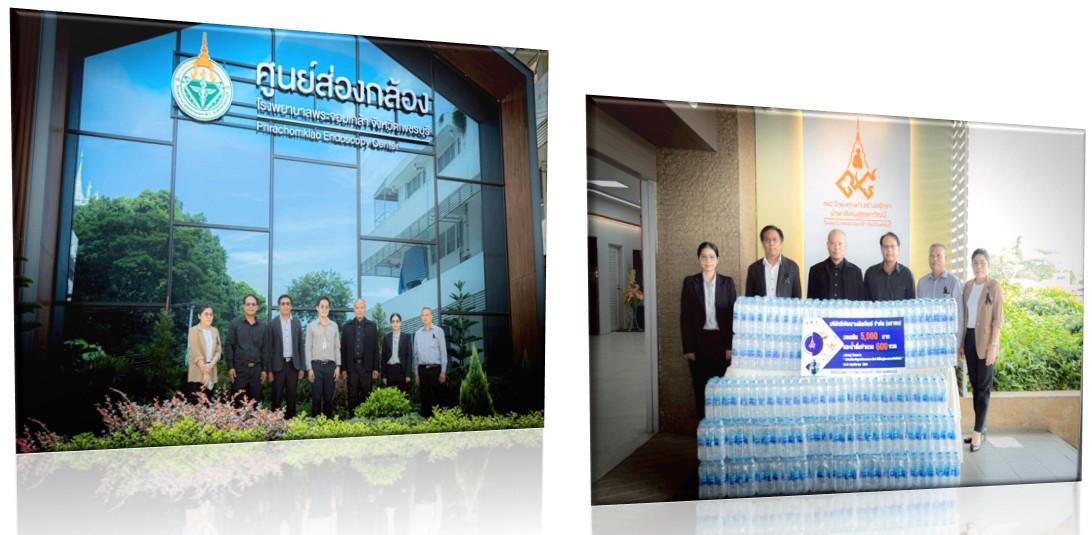
Donated cat food products manufactured by the Group to the Faculty of Veterinary Medicine at Kasetsart University to support the care of cats receiving medical treatment.
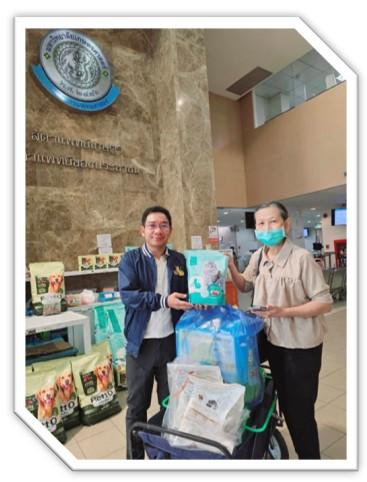
Donated various items to the Mirror Foundation for public benefits.
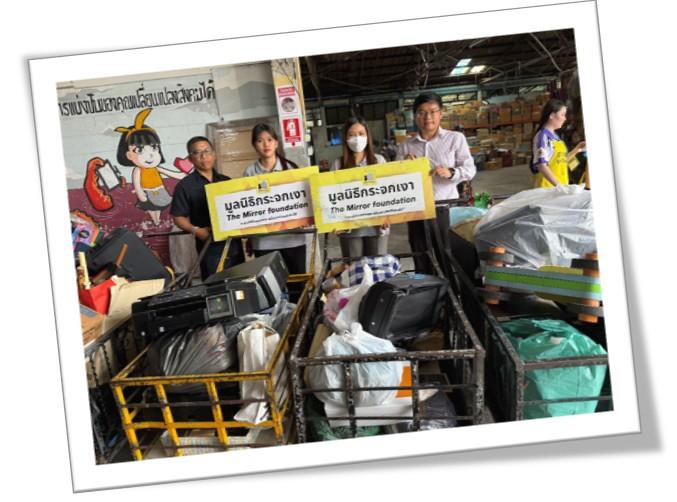
Supported the operations of the Thai Red Cross Society by providing venues at the Group’s headquarters and two factories as blood donation sites for employees and nearby residents(three times per year).
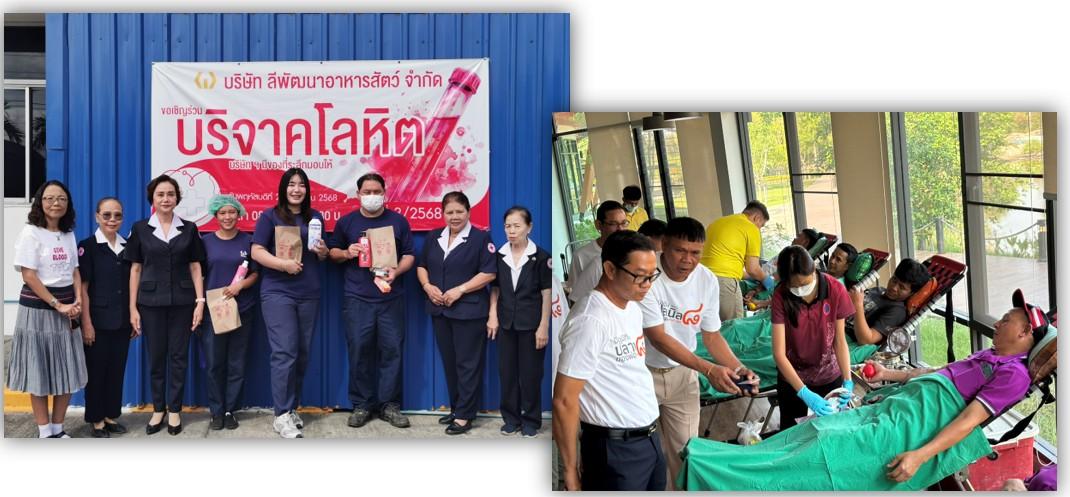
Promoted employment opportunities for persons with disabilities in collaboration with the Coeur Foundation through a vocational training program in agriculture and animal husbandry. The program enables persons with disabilities, particularly those residing in rural provinces who prefer not to relocate to urban areas, to pursue agricultural and livestock occupations within their communities, aligned with their lifestyles.
In collaboration with the Social Innovation Foundation, employed visually impaired individuals trained in traditional Thai massage to provide wellness massage services to the Group’s employees. These initiatives not only create employment and income opportunities for persons with disabilities but also contribute to strengthening society in the long term.
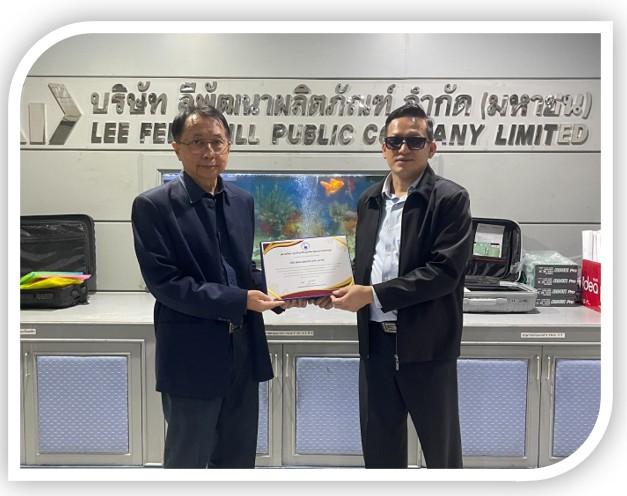
Supported educational opportunities for Thai youth by providing financial assistance to underfunded schools for educational materials, granting scholarships to underprivileged students in remote areas, hiring teachers in shortage subjects, and continuously constructing and renovating educational facilities. These efforts aim to build a strong foundation for youth who will play a vital role in the country’s future development.
Regularly welcomed faculty members, students, and officials from various institutions to visit and study the Group’s production processes and management systems. In 2025, lecturers and students from Phetchaburi Polytechnic College visited the Group’s production facilities on September 16. In addition, the Group actively shares its expertise beyond the organization by serving as guest speakers and providing professional knowledge and guidance to other institutions.
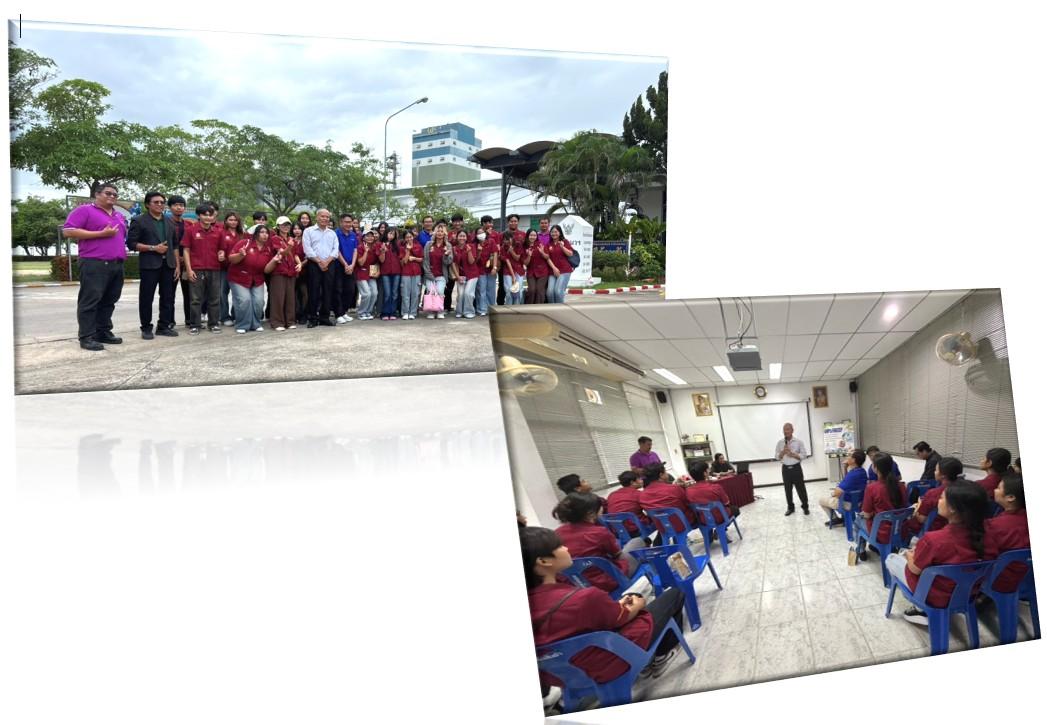
Knowledge Sharing
The Group caters opportunities to students from various institutions, enabling them to participate in training to develop their knowledge and skills. Moreover, it allows physical visits of different organizations to take a tour and study the production process and management system, as well as engaging in various activities. In addition, the Group also shares knowledge outside the organization, as a guest speaker, and disseminates it to other departments as well.
- The Group regularly welcomes professors, students, and officials from various institutions to visit and learn about its production processes, management systems, and activities. In 2025, faculty members and students from the Faculty of Agricultural Technology, Department of Animal Science at Phetchaburi Rajabhat University, as well as King Mongkut's University of Technology North Bangkok, visited The Group’s facilities. Additionally, The Group engages in external knowledge-sharing activities by regularly delivering lectures and sharing expertise with other organizations.
Safety
The Group takes into account safety by ensuring that employees are conscious and aware of both personal and public safety. It has organized several projects, among which include “Safe Driving Project,” “Environmental Energy Safety Week Project,” “Emergency Response Preparedness and Fire Evacuation Drill Project” and “5S Workplace Project”.
- Emergency Response Preparedness Project and Fire Evacuation Drill.
- The production department of the Saraburi Plant organized a training course "Forklift".
Environmental care
The Group has established a policy to protect the environment by developing an ozone system to treat odors arising from the production process, including the use of microorganisms in wastewater treatment to minimize the impacts that the production process may have on the environment.
The Group encourages employees to optimize resources and energy; for example, using both sides of paper; turning off air conditioning and electricity during lunch breaks or whenever a room is not in use; sharing vehicles when traveling on the same route, as well as using gasohol, which is a cleaner energy compared to regular gasoline. These approaches help reduce the use of resources, costs of energy use, and also mitigate the problems of dust and black smoke generated by exhaust pipes.
Plan Areas
| Plan Area |
|---|
| Employment and professional skill development |
| Education |
| Occupational health, safety, health, and quality of life |
| Disadvantaged and vulnerable groups |
Community & Social — Targets
Has Set Community & Social Targets
No
Community & Social — Performance & Outcomes
Has Performance Results
No
Law Violation Incidents
Law Violation Incidents
| Metric | Current Year | Previous Year | Two Years Ago |
|---|---|---|---|
| The total number of cases or incidents of significant violations of laws or regulations regarding social and human rights (Cases) | 0 | 0 | 0 |
| The total number of cases or incidents that cause significant labor disputes (Cases) | 0 | 0 | 0 |
| The total number of cases or complaints related to consumer rights violations (Cases) | 0 | 0 | 0 |
| The total number of cases or complaints related to partner rights violations (Cases) | 0 | 0 | 0 |
| The total number of cases or incidents that cause disputes with the community/society (Cases) | 0 | 0 | 0 |
| The total number of cases or incidents related to cyber security or customer data breaches (Cases) | 0 | 0 | 0 |
| The total number of cases or incidents related to safety and occupational health at work (Cases) | 0 | 0 | 0 |